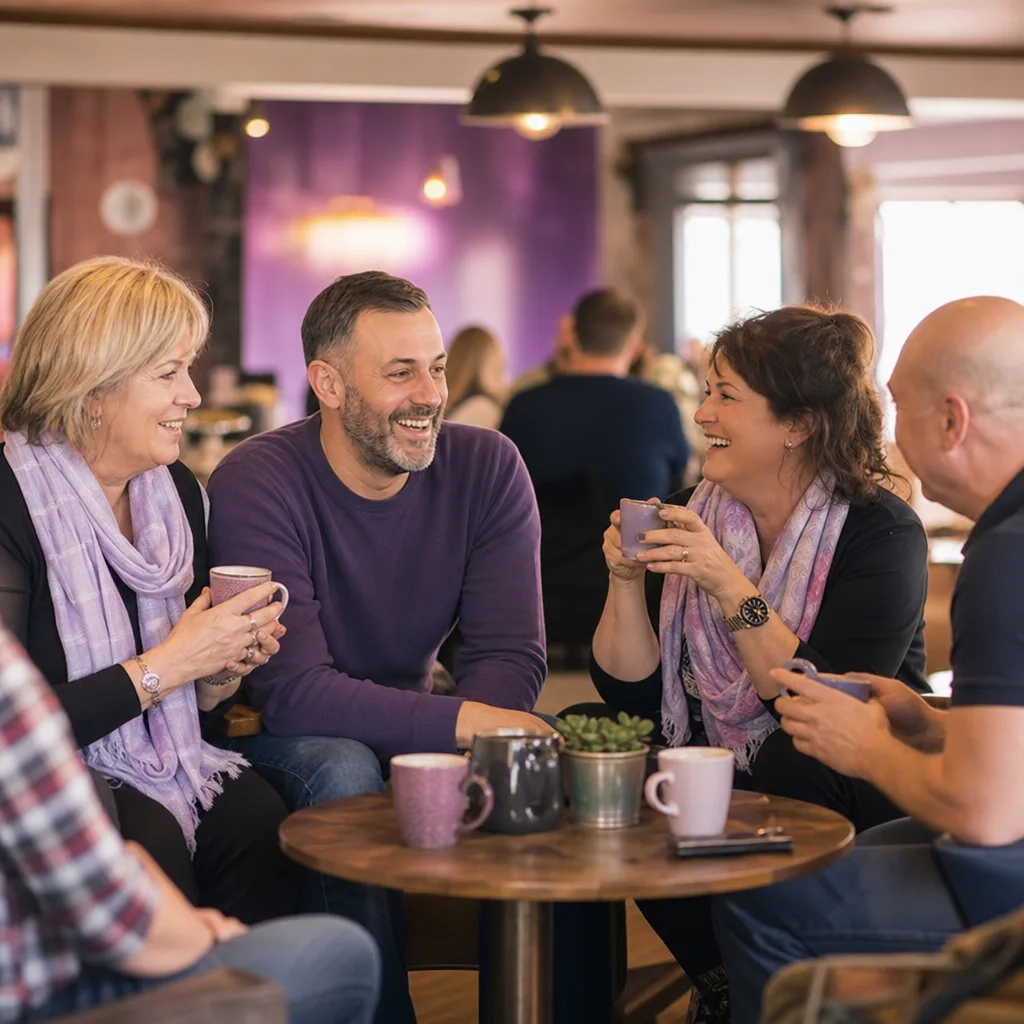
Christian Dating Sites in Northern Ireland

A practical guide to finding local Christian singles, choosing the right site and dating safely.

You find someone interesting, read to the bottom of their profile and then spot the problem: they live two hours away. For Christian singles in Northern Ireland, that is not a minor detail. A Sunday service, family commitments and rural roads can turn an apparently local match into a weekly expedition.

This guide explains what to look for in a Christian dating site, how to judge whether members are genuinely nearby and how to talk about faith without making the first conversation feel like an interview.

Local dating for Christians across Fermanagh and the wider Northern Ireland area.

What makes a Christian dating site genuinely useful here?

A large membership figure can sound reassuring. The catch is that a national or international total tells you almost nothing about the number of active members in Enniskillen, Omagh, Lisburn or Ballymena. A dating pool is only useful if the people in it live close enough to meet.

Start by checking whether a site lets you browse or search by a precise location before paying. County-level filters are helpful, but Northern Ireland needs more nuance than that. Someone in east Belfast may regard Bangor as nearby; someone outside Belcoo may quite reasonably include Blacklion and parts of County Cavan. Distance follows roads, not county boundaries.

Look for these practical features:

No dating platform can verify the private faith of every member. A tick beside “Christian” may mean weekly church attendance to one person and a family or cultural background to another. Treat the label as the beginning of a conversation, not proof of compatibility.

The useful question is not “Which site has the most Christians?” It is “Which site has active Christians within a distance I would regularly travel?”

Dating across denominations, communities and county lines

Christian dating in Northern Ireland carries layers that generic advice often misses. Church background may influence worship, marriage, children, family life and social circles. It can also be wrongly treated as shorthand for politics or identity. Do not assume. Ask.

You need not open with a theological checklist. A warmer question is often more revealing: “What does church look like in your week?” The answer may tell you whether someone attends regularly, volunteers, belongs to a small group or mainly identifies with the tradition in which they were raised. If shared denomination is essential to you, say so respectfully in your profile. If it is not, explain what does matter.

Useful subjects to discuss before becoming serious include:

Timing matters. These are real compatibility questions, but sending all five in the first exchange can feel like an application form. Begin with ordinary conversation. Work, music, family, food, the weather ruining another weekend plan. Faith can then appear as part of a whole life rather than a test someone must pass.

Location deserves the same honesty. From County Fermanagh, a practical search may include Tyrone as well as Cavan, Leitrim and Donegal. That does not make the connection less local. It recognises how people actually travel around the border. Our dedicated page for Christian dating in Northern Ireland offers another local starting point for people who want faith and geography treated together.

Profiles, privacy and a safer first meeting

A good profile should make it easier for a genuine person to start a conversation. “I love God, family and walks” is sincere, but it could describe thousands of people. Add details. Mention the church activities you enjoy, what your normal Saturday looks like and the distance you can realistically travel. In Fermanagh, that might mean coffee in Enniskillen, a shoreline walk in daylight or a boat trip once you know each other better.

Be careful with privacy, especially where communities are small and people overlap through churches, schools and workplaces. You do not need to publish your congregation, home village, employer or weekly routine. A county or nearby town is enough at first. Use the platform's messaging system until you are comfortable sharing a phone number, and review whether your profile can appear in search engines or be viewed by non-members.

Watch for behaviour rather than trying to become a detective. Warning signs include someone declaring intense feelings very quickly, refusing every video call, giving inconsistent details, or moving the conversation off-site immediately. Requests for money are decisive. Do not send funds for travel, emergencies, phone credit, investments or church projects, however convincing the story sounds.

For a first meeting:

  1. Choose a staffed public place and make your own way there and home.
  2. Tell a friend or relative where you will be, who you are meeting and when you expect to finish.
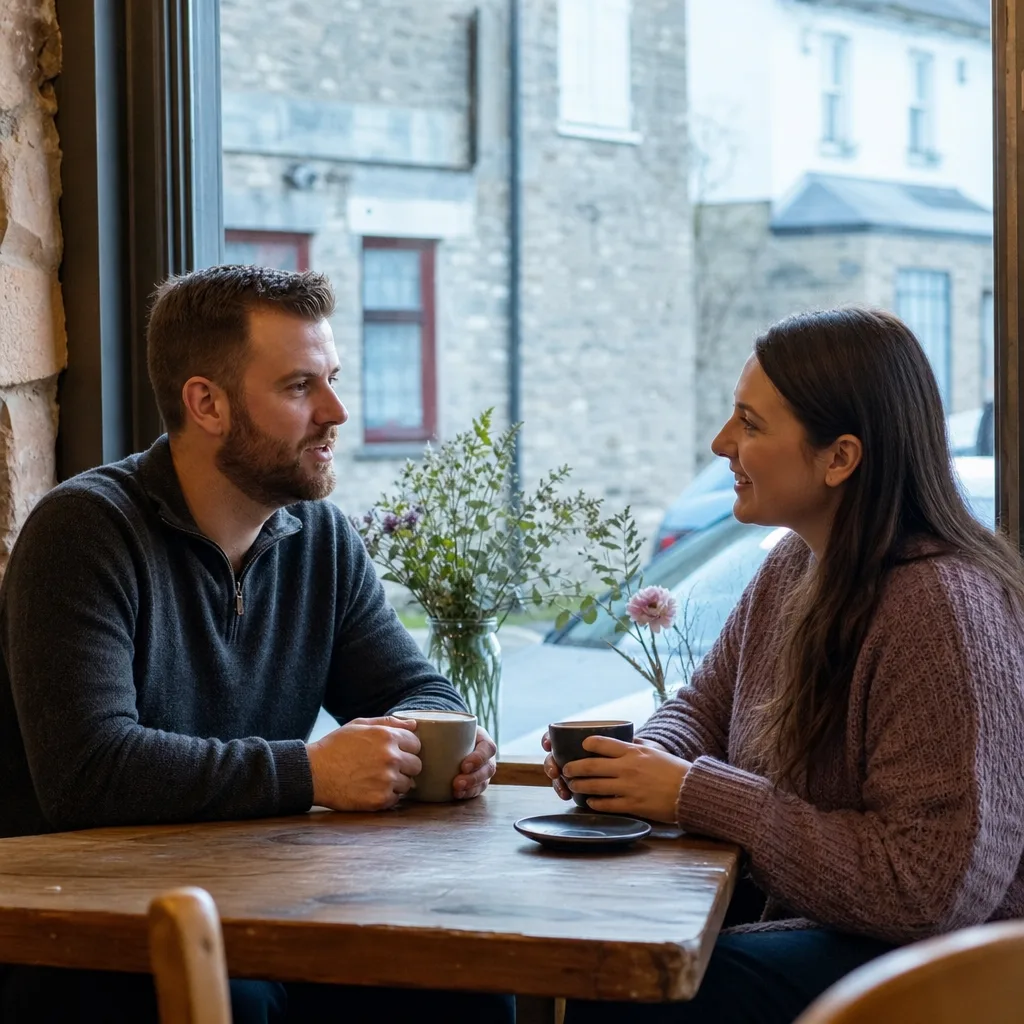
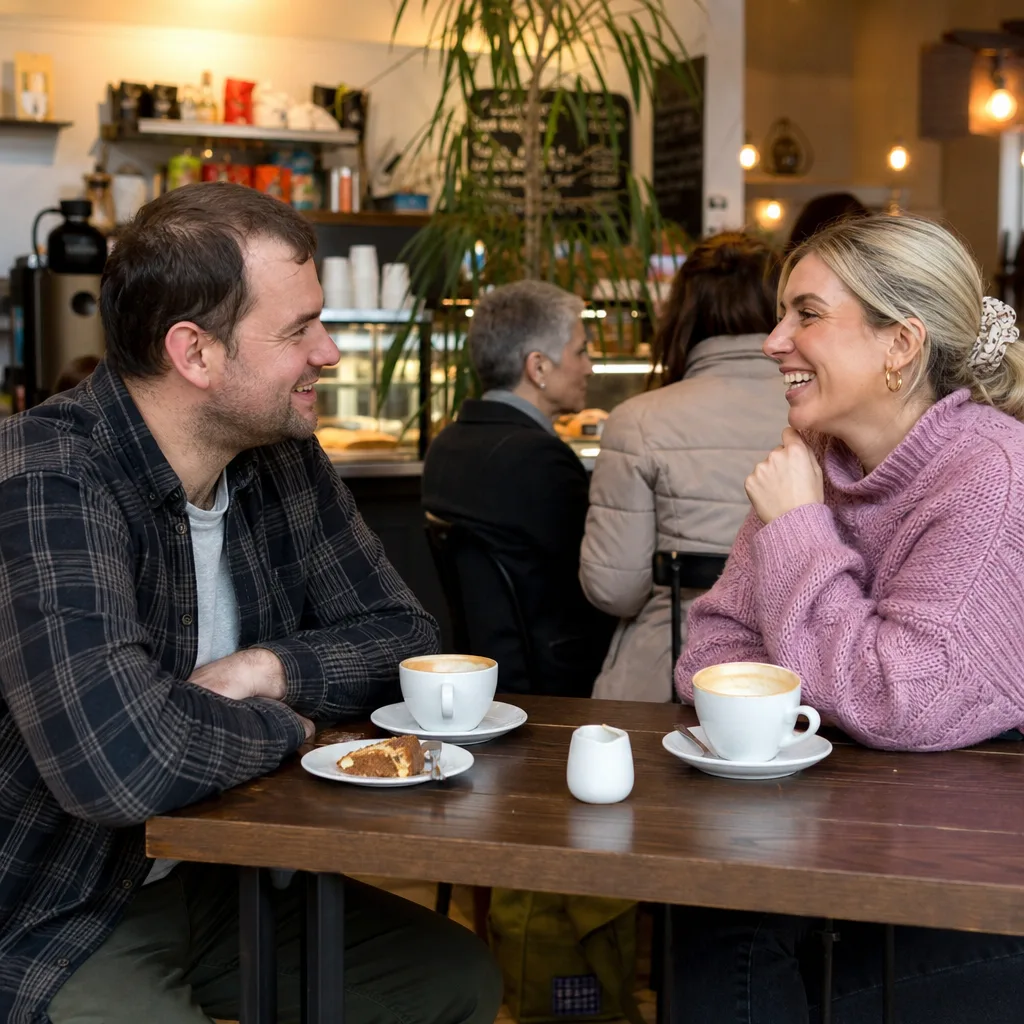
  3. Keep the first date short enough to leave comfortably. Coffee is often better than a long dinner.
  4. Do not rely on the other person for transport, particularly in a rural area with limited evening services.
  5. Leave if the person pressures you, changes the venue unexpectedly or does not resemble their photographs.

Christian language is not a safety check. Most members will be sincere, but scammers can quote Scripture and discuss faith convincingly. Trust should grow through consistent conduct over time.

Meet Christian singles closer to home

Create a profile, describe what faith and local mean to you, and look for people within a distance that works in real life.